About read[dot]
How am I supposed to keep up with all the important news?
The world moves too fast to follow, and nobody has a clear view of what actually matters anymore. That is the whole reason read[dot] exists: to give you the overview.
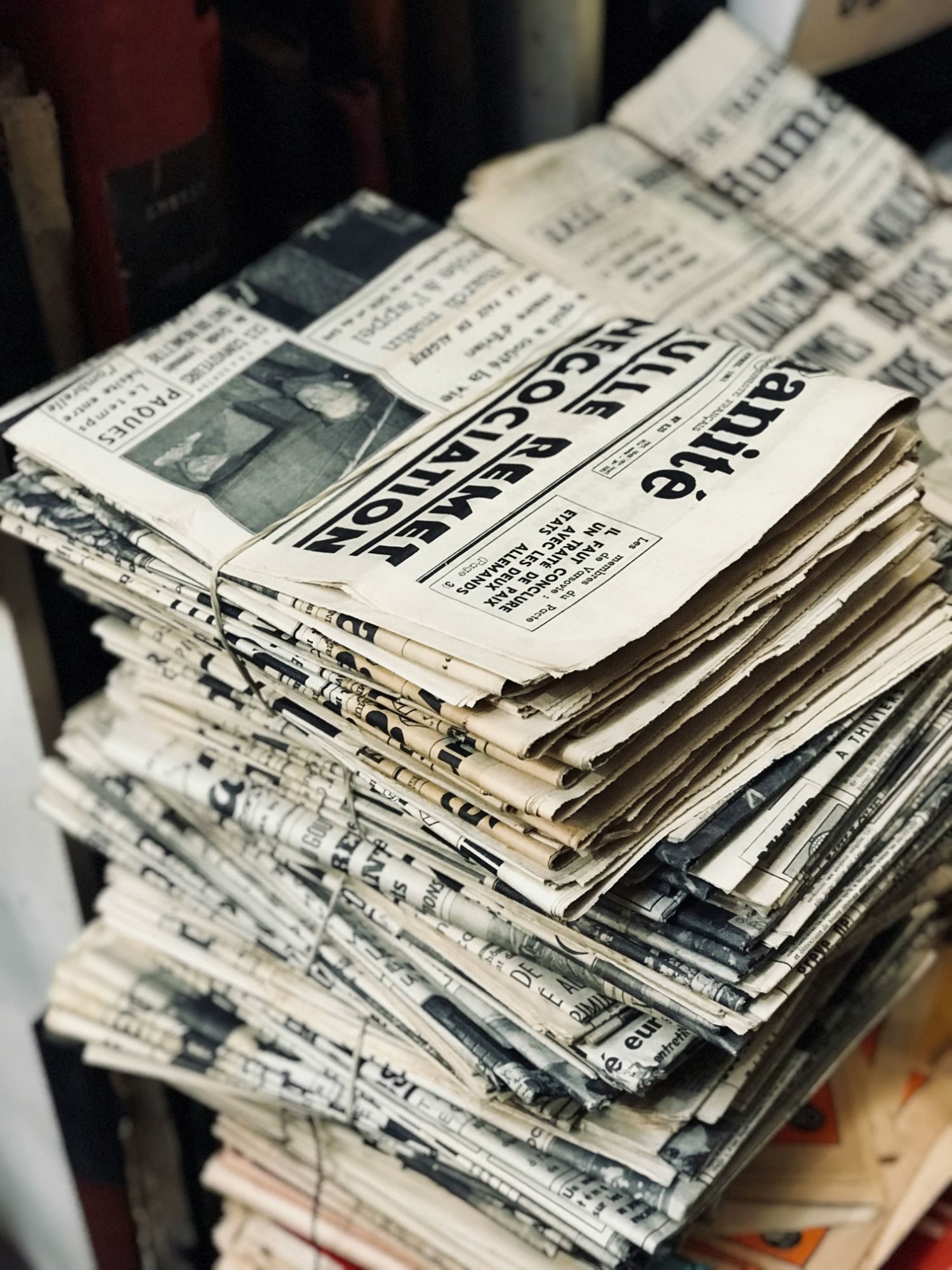
The question
The news is already ahead of you the moment you open the day.
It is a feeling almost everyone has had by now. Models ship, papers land, arguments flare, and somewhere underneath it all is the handful of things that genuinely matter, buried so deep you stop trusting that you'll ever find them. Keeping up has quietly become a full-time job that nobody actually has time for.
read[dot] starts from that honest place. Not “here is more,” but “here is the overview you have been missing.” A daily edition of the reading worth your time, across AI, technology, economics, finance, policy and science, drawn only from reputable sources, chosen for you, and delivered to your inbox. No slop, no anonymous churn, no engagement-bait. If a piece doesn't come from somewhere independently known for its reporting or analysis, it doesn't reach you.
Beyond the bubble
The more something is tailored to you, the smaller your world tends to get.
We all live inside bubbles now, fed only what we already follow and already believe, until the edges of what we know stop moving outward. Most personalisation makes that worse, because it has learned that the easiest way to hold your attention is to hand you more of the same.
read[dot] pushes the other way, on purpose. Every edition includes a small portion of work from beyond your stated topics: genuinely relevant material from neighbouring fields, chosen to widen your horizon rather than narrow it. The aim is a reader who ends each week knowing a little more than they thought to ask for.
Read what matters, and finish it
The answer was never to consume more. It was to finish what counts.
There is an infinite amount of information out there, and the plain truth is that most of it is slop, or simply an inefficient use of an afternoon. Starting ten things and finishing none teaches you almost nothing; finishing three teaches you a great deal.
So that is what an edition asks of you. Out of the day's pieces, pick the three or four that speak to you and genuinely read them, the whole way through. This is also why we leave the writing exactly as it is: human-written, machine-selected, never rewritten. read[dot] finds the piece and tells you, in a line, why it matters, then gets out of the way. The voice you read is the author's, not a model's paraphrase of it.
Why human judgment
A model can tell you what was said. It can't tell you what to make of it.
AI is very good at compressing text. It is not good at judgment. Ask a model for its opinion and you get an average of what it was trained on, shaped by the choices of whoever trained it. That is a bias, not a view. It has no taste, nothing at stake, and no track record you can check.
The people worth reading have all three. An economist who has spent twenty years on trade, an analyst who called the last cycle, a reporter who was in the room: their opinions are argued, signed, and open to being proven wrong. Reading them, and disagreeing with some of them, is how you build judgment of your own.
That is what sets you apart. When everyone can ask the same model the same question and get the same answer, the difference is what you think. read[dot] uses AI for one narrow job, finding the pieces worth your time, and leaves the thinking to the people who wrote them, and to you.

An edition, not a feed
You're not missing anything.
The edition changes once every twenty-four hours. No breaking-news panic, no manufactured crisis, no feed that refills the moment you reach the end.
This isn't a feed to monitor; it is an edition to enjoy. Indulge in it, take your time with it, and grow a little each day. read[dot] is built on a simple respect for your time, your attention, and your judgment, the trust that, given good writing and a finite stretch of it, you would rather think for yourself than be handed a summary.
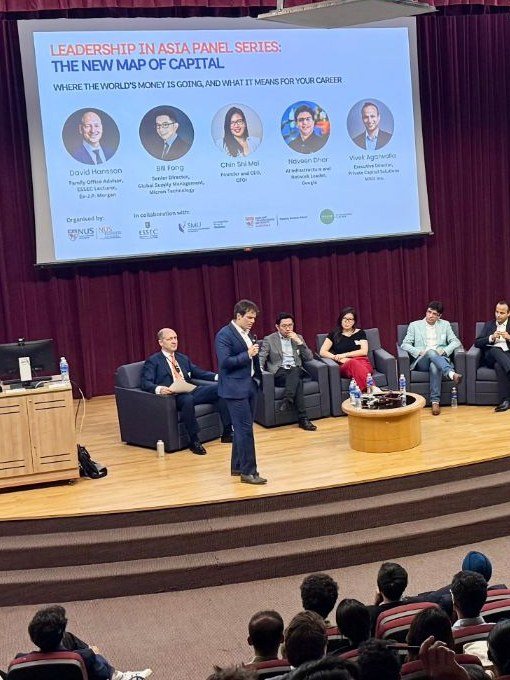
Who's behind read[dot]
My advice, in one word: read.
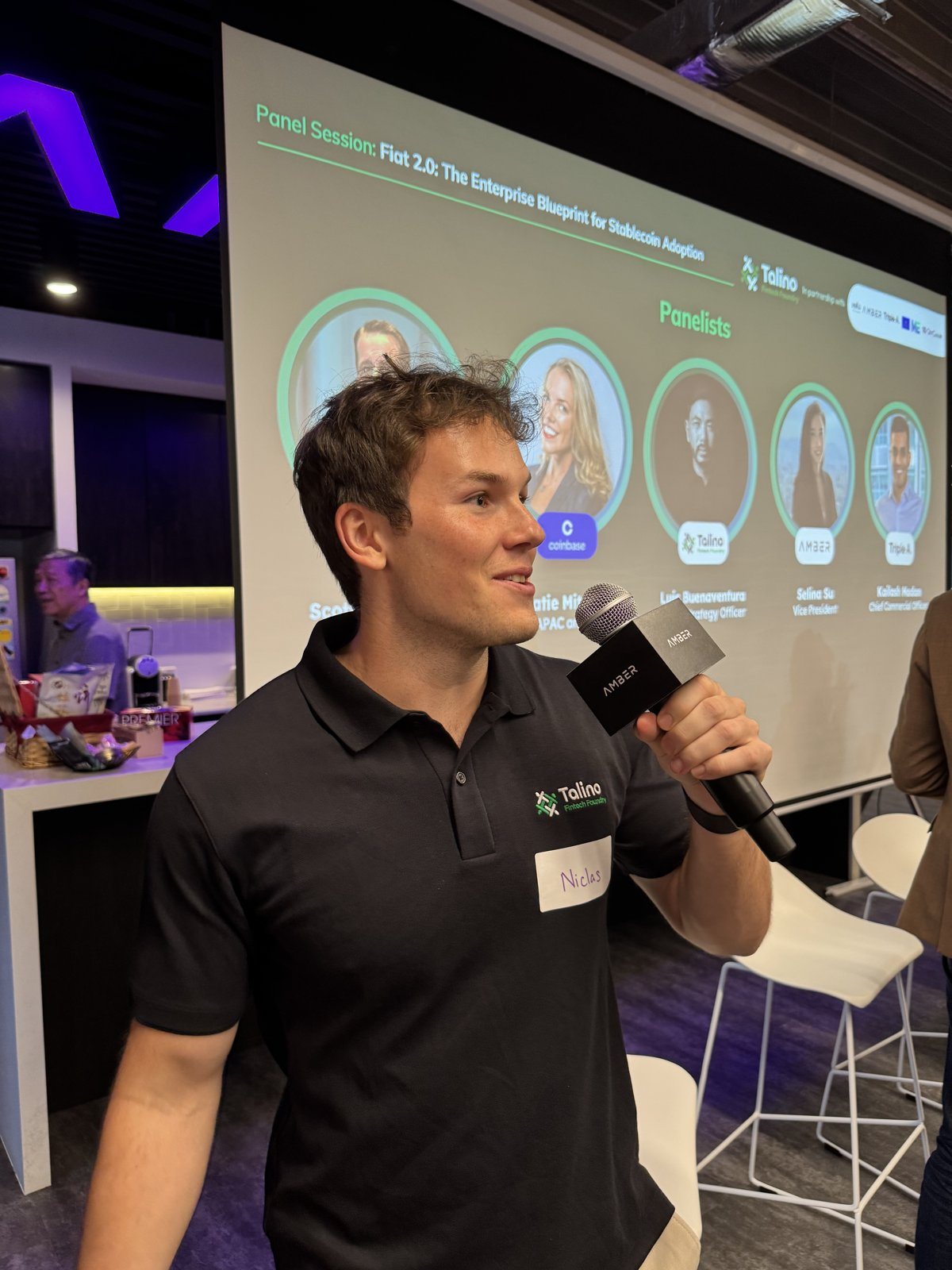
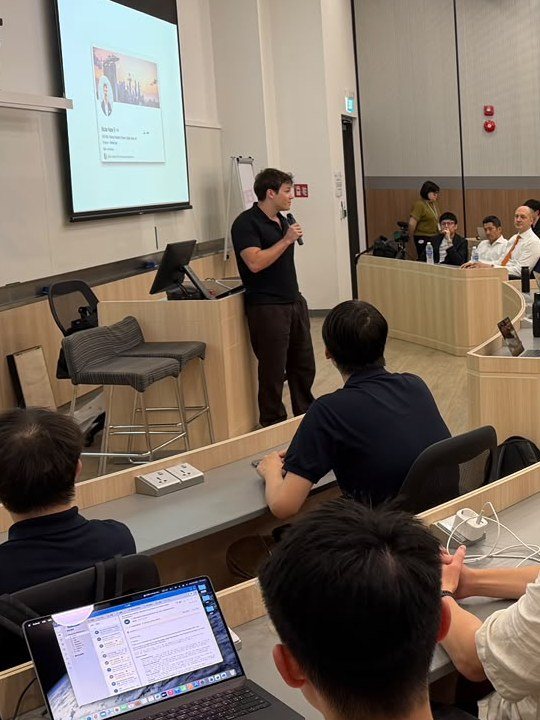
I'm Niclas Nabe. I'm a student, I love reading, and I like passing on what I learn. read[dot] is my way of doing both: everyone should get to read the best that's being written, and get it for free.
I'm convinced reading matters more now, not less. AI can summarise almost anything, but a summary won't give you memory, context, intuition or judgment. You build those by reading the life's work of people much smarter than you and mixing it with your own experience. That mix is yours alone. No one else has it, and no model does either. In the end, it's what people will pay you for.
Think of read[dot] as my filter. I hope it helps you find the pieces worth finishing.
Questions
The short answers.
What is read[dot]?
A daily edition of 8 to 15 articles, papers and newsletters, chosen for you from reputable sources across AI, technology, economics, finance, business, policy and science. You get the headline, a short description and a line on why it's in your edition. The article itself you read on the publisher's own site.
Where do the articles come from?
Only from the sources on our Sources page: outlets, research institutions and newsletters independently recognised for their reporting or analysis. If a source isn't on that list, nothing from it reaches you.
Does AI write or summarise anything?
No. A language model reads the headline and short description of each candidate and scores it for quality and for fit with your interests. It never writes, rewrites or summarises an article. What you read is the author's own work, on the author's own site.
How does it decide what I see?
Each day, everything our sources published in the last 24 hours gets scored. Anything below the quality bar is dropped, whatever the topic. The rest is ranked by how well it fits what you told us in Tune my feed. About a fifth of every edition deliberately comes from beyond your topics, to widen your view rather than narrow it.
What about paywalls?
Every piece is marked Free, Metered (a few free reads a month) or Paywalled. Tell us which subscriptions you have and those count as free for you. Otherwise an edition never includes more than two pieces you'd have to pay for, and you can switch to free articles only.
When does a new edition arrive?
Once a day, at 5am Singapore time (21:00 UTC). The countdown at the top of the page shows when the next one lands. Email delivery is on its way.
Is read[dot] free?
Yes, for now. We haven't decided how read[dot] will be paid for in the long run. If that changes, you'll hear it from us well in advance.
Why aren't Reuters, the FT or The Economist included?
We only use sources that publish a feed: content the publisher chose to share, which keeps read[dot] clean and sends readers to their site. Some excellent outlets don't offer one. We're working on ways to include them.
What do you know about me?
Your Google account email, the answers you give in Tune my feed, and the editions we put together for you. We count page visits anonymously to keep the site working, but we don't track what you open or how long you read, and we never sell your data. The privacy page has the short version.
Can I change my preferences?
Any time. Go through Tune my feed again and your edition is rebuilt from the new answers straight away.
Who is behind read[dot]?
read[dot] is made by Niclas Nabe.